
In every home, there are “blind spots”, items we touch, use, and breathe around every day that rarely make it onto a standard cleaning checklist. Even in a home that looks tidy, these seven culprits are often harboring dust, bacteria, and allergens right under our noses.
At Sorted Cleaning Co., our “Sorted Standard” is built on seeing what others miss. Here are the seven most under cleaned items in the average home.
1. The Mobile Phone
It is the ultimate high-touch surface. We take it from the gym to the supermarket, cafe tables to our dinner table, yet it is rarely sanitised. It’s estimated that the average phone screen carries more bacteria than a common household fixture.
2. Reusable Drink Bottles
While they are better for the environment, reusable bottles—especially those with straws and silicone seals—are prone to “biofilm” buildup. If not deep-cleaned regularly, stagnant moisture quickly turns into a breeding ground for mold.
3. TV and AC Remotes
In the Top End, the AC remote is a lifeline. However, remotes are rarely wiped down, despite being handled by every member of the family (and the occasional guest). They are one of the most significant cross-contamination points in the living room.
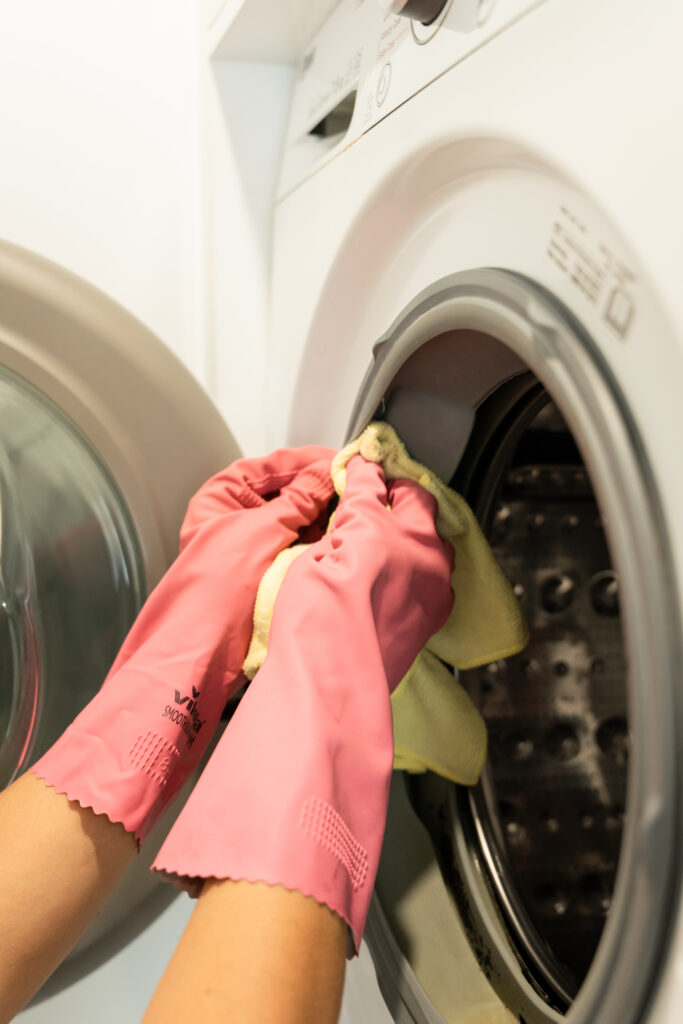
4. Washing Machine Seals
Front-loading machines are notorious for trapping water, lint, and undissolved detergent in the rubber door gasket. Over time, this creates a hidden layer of slime and mold that can actually transfer odors back onto your “clean” laundry.
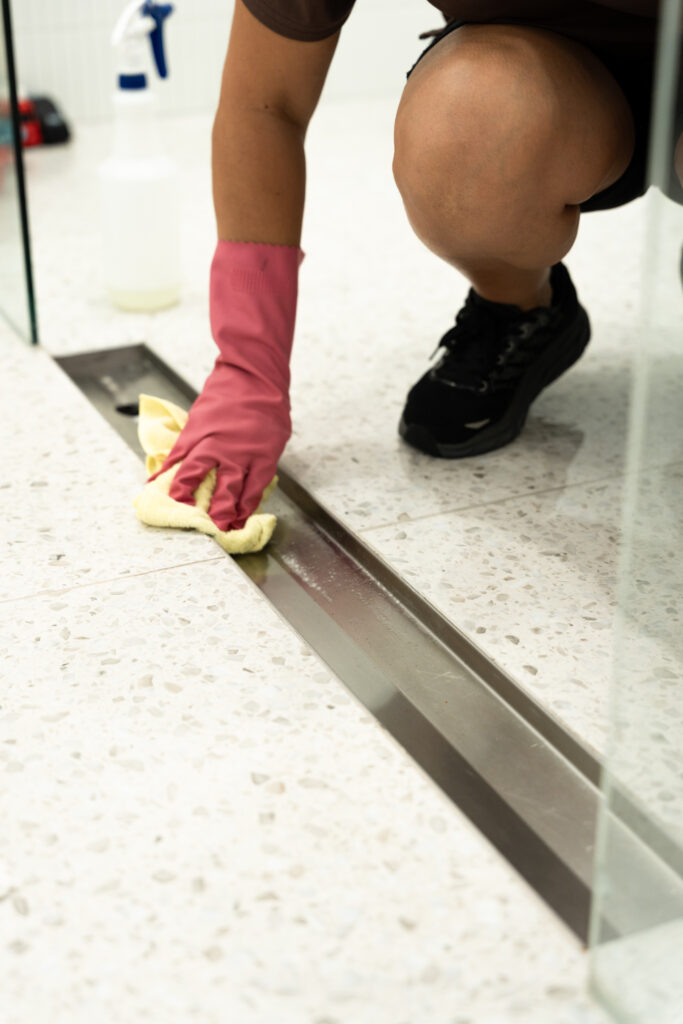
5. Sink and Shower Drains
We clean the sink, but we rarely look down the drain. Kitchen drains collect organic food waste, while bathroom drains trap hair and soap scum. This creates “bio-sludge” that can cause slow drainage and subtle, unpleasant odours.
6. The Dishwasher Filter
A dishwasher cannot clean your plates if it is fighting against its own dirty filter. Food particles and grease get trapped in the mesh at the bottom of the machine, recirculating dirty water and leaving a cloudy film on your glassware.
7. Dish Sponges and Cloths
The tool used to “clean” the kitchen is often the dirtiest item in it. Damp sponges are porous and hold onto moisture, making them the perfect environment for bacteria to thrive. Without frequent replacement or high-heat laundering, they simply spread germs from one surface to another.